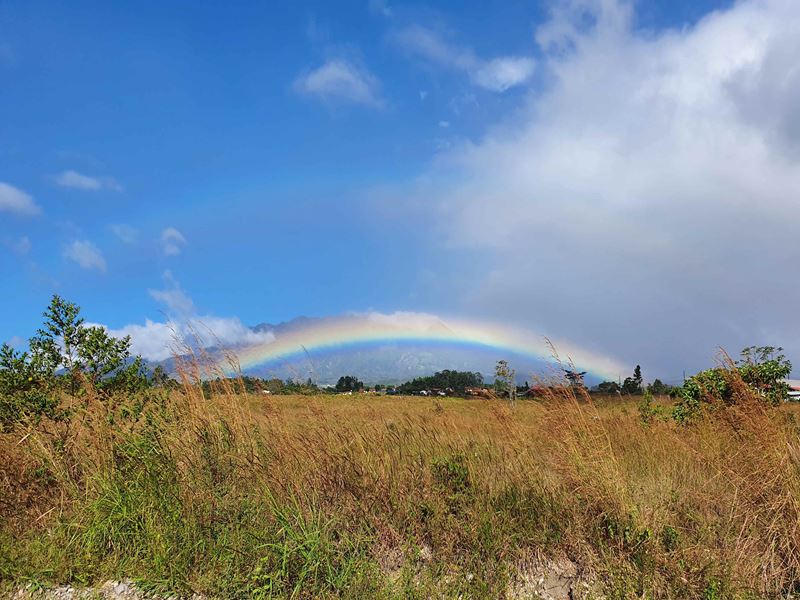
A Legacy in the Highlands
It all began around 1873, when the family matriarch, Blasina Samudio, decided to settle in Boquete and establish her first farm. She was also the only woman listed in the 1894 land records as the owner of several farms in the Boquete area, where she cultivated corn, coffee, and other crops.
It was through her that the family’s coffee-growing tradition began. For 148 uninterrupted years, the descendants of “Mamita Blasina,” as she was affectionately known, have continued this tradition, becoming increasingly dedicated to Panama’s coffee industry with each passing generation.
This matriarch left an enduring legacy that has made coffee a part of everyday life for the family of Don Francisco “Pachi” Serracín. Breathing in the aroma of coffee every morning and enjoying the fragrance of coffee blossoms during the first months of the year is an experience that awakens the senses and strengthens their connection to their heritage—with the pride of producing some of the finest coffee in the world.
How a Panamanian Brand for the World Was Born
With coffee-growing heritage running through his veins, Francisco Antonio “Pachi” Serracín Colón became one of the founders of Panama’s National Coffee Program in the early 1960s. This office was created by what was then the Ministry of Agriculture. In 1963, the first seeds of the Geisha variety were introduced to Panama from CATIE’s research center in Turrialba, Costa Rica.
Although these coffee plants had been growing on several farms in Boquete since that time, they began gaining international recognition in 2004, when the first Geisha cup was presented to the world and placed Boquete firmly on the specialty coffee map.
Through tremendous effort, perseverance, and year-after-year experimentation, this variety gradually earned its place among the world’s most sought-after coffees. Its distinctive flavor characteristics were unlike those found in traditional varieties commonly used for commercial coffee, or even in the specialty and gourmet coffees known at the time.
Following this important contribution to coffee cultivation, many specialty coffee buyers traveled to Boquete around 2005, drawn by curiosity about this highly prized variety. They visited farms such as Hacienda La Esmeralda and Don Pachi Estate, which had already cultivated lots of this varietal.
By designing and implementing a new way to maximize the potential of these coffee farms, the family helped transform the traditional coffee-selling model. They began offering microlots, giving small-scale roasters the opportunity to purchase limited quantities directly at origin. This approach also revolutionized the coffee industry.
The practice was later adopted by coffee producers around the world, becoming another significant contribution from this entrepreneurial and innovative family from the highlands of Chiriquí.
Family Heritage as a Foundation for Quality and Continuous Innovation
In 2016, Don Pachi’s heirs took over the management of the farms and continued the legacy left by this great pioneer.
This new generation has added considerable value by introducing improvements to coffee-processing methods and exploring new market segments, including cascara tea and coffee liqueur. Their goal is to make the best possible use of available resources while promoting sustainability at origin.

The Leucaena Tree
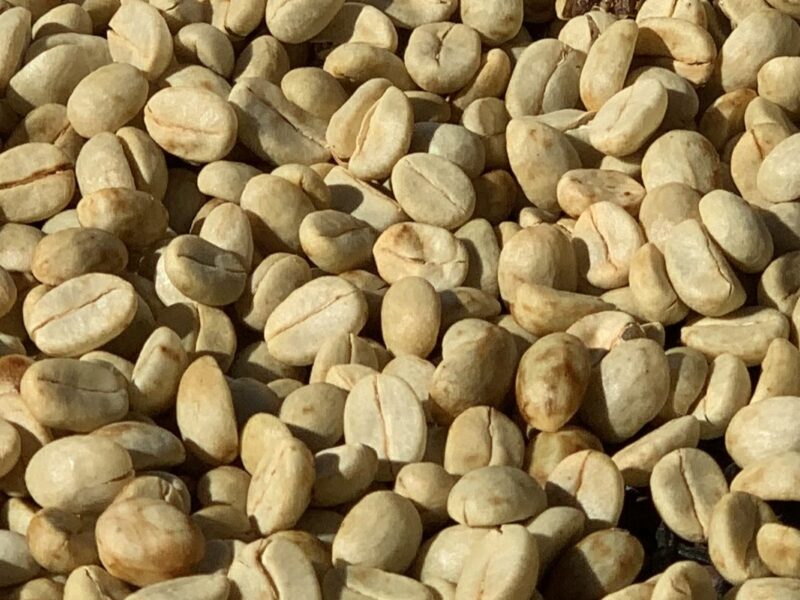
From Green Coffee to Your Cup: How We Work at Café & Aroma Roasters

Café & Aroma Will Be at World of Coffee Panama 2026

We are more than Coffee & Aroma

Honey Process

Natural Process

Wash Process
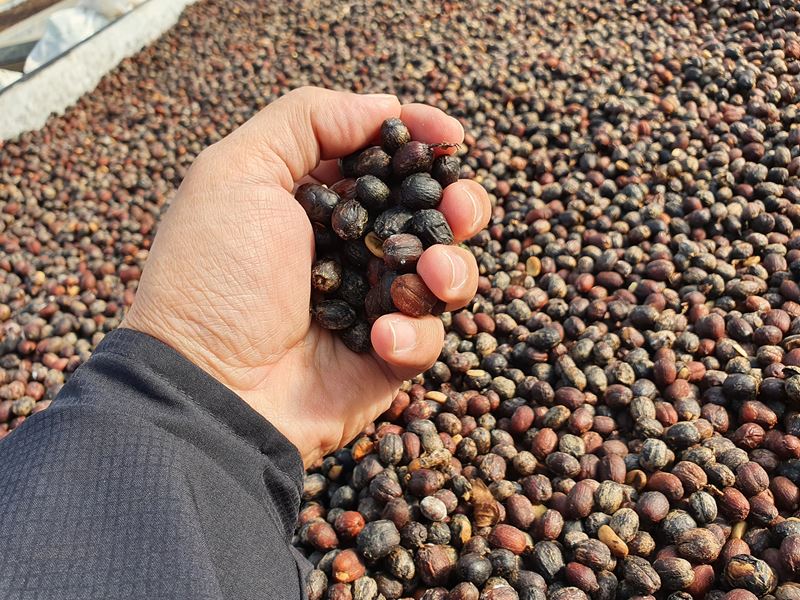
Coffee Process